What is a Zigbee Chip and the Best Zigbee Chips in 2026?

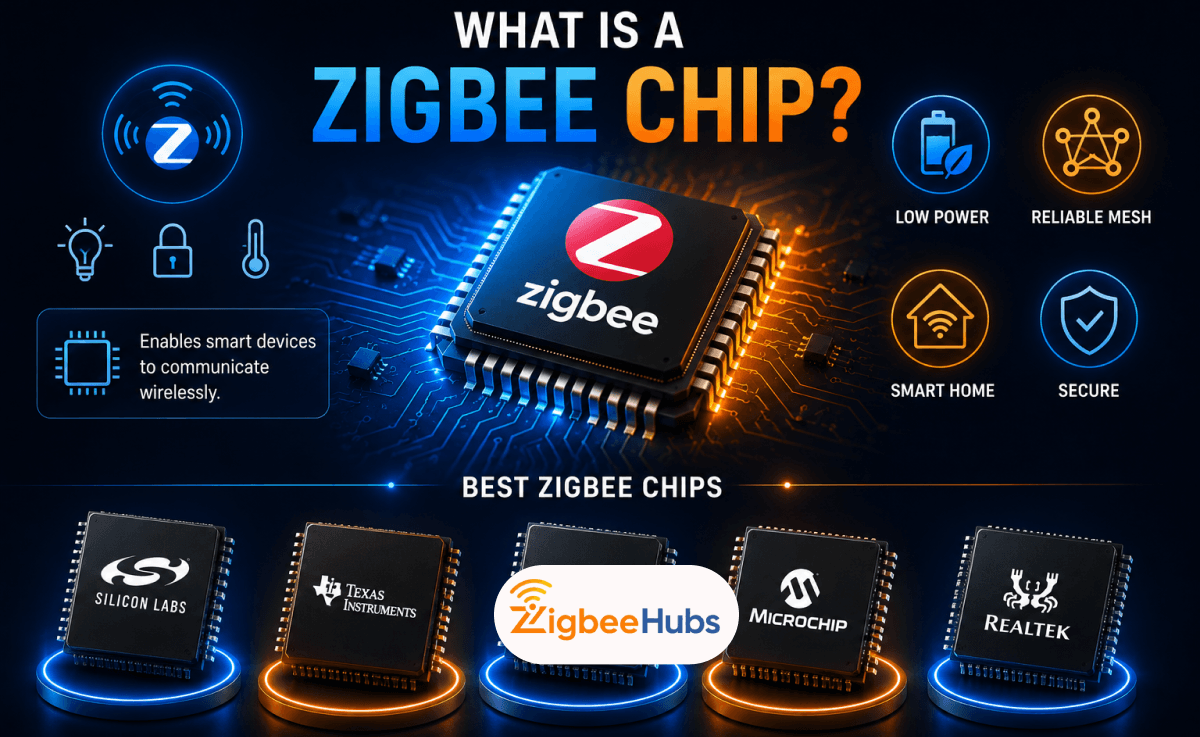
A Zigbee chip is the core silicon component that enables low-power wireless communication between smart devices using the Zigbee protocol. It combines a radio transceiver and a microcontroller into a single integrated circuit, allowing sensors, switches, bulbs, and hubs to communicate efficiently through a secure mesh network while consuming very little power.
Key Takeaways
- Zigbee chips are the foundation of millions of smart home and IoT devices.
- They consume significantly less power than Wi-Fi solutions.
- Modern chips support secure mesh networking with automatic routing.
- Texas Instruments CC2530 remains one of the most popular development platforms.
- Silicon Labs and newer Texas Instruments platforms offer higher performance and stronger security.
- Choosing the right chip depends on whether you are building sensors, gateways, or industrial devices.
What is a Zigbee Chip?
A Zigbee chip is a specialized integrated circuit designed specifically for devices that communicate using the Zigbee wireless standard based on IEEE 802.15.4.
Instead of requiring separate processing and wireless components, most modern Zigbee solutions combine both into a single System-on-Chip (SoC). This reduces manufacturing cost, lowers power consumption, and simplifies product design.
Unlike Wi-Fi devices that constantly maintain high-speed connections, Zigbee devices wake up only when necessary. This allows many battery-powered sensors to operate for several years without replacing batteries.
Typical devices using Zigbee chips include:
- Smart switches
- Motion sensors
- Temperature sensors
- Smart locks
- Smart bulbs
- Water leak detectors
- Home automation hubs
- Industrial monitoring systems
Why are Zigbee Chips Popular for Smart Homes?
There are several reasons why manufacturers continue to choose Zigbee technology.
Extremely Low Power Consumption
Perhaps the biggest advantage is efficiency.
Many battery-powered Zigbee sensors spend over 99% of their time sleeping and wake only to transmit data. This enables battery life measured in years rather than months.
Pro Tip
When designing battery-powered products, optimizing firmware sleep cycles often improves battery life more than simply using a larger battery.
Mesh Networking
Every powered Zigbee router device can relay signals to neighboring devices.
Instead of depending on one central connection, messages automatically hop across the network until they reach their destination.
Benefits include:
- Better coverage
- Improved reliability
- Automatic path optimization
- Reduced dead zones
Self-Healing Networks
If one device becomes unavailable, the network automatically finds another communication route.
This makes Zigbee significantly more resilient than many point-to-point wireless systems.
Strong Security
Modern Zigbee implementations use:
- AES-128 encryption
- Secure key management
- Device authentication
- Network protection
These security features make Zigbee suitable for both residential and commercial deployments.
How Does a Zigbee Chip Work?
A Zigbee chip contains two major components:
- Radio transceiver
- Microcontroller
The radio manages wireless communication while the microcontroller executes application logic.
The communication process typically works as follows:
- Sensor detects an event
- MCU processes the information
- Radio transmits packet
- Nearby router receives data
- Message travels through mesh
- Coordinator receives final message
Because data packets are relatively small, power consumption remains extremely low.
 Sarah Diyana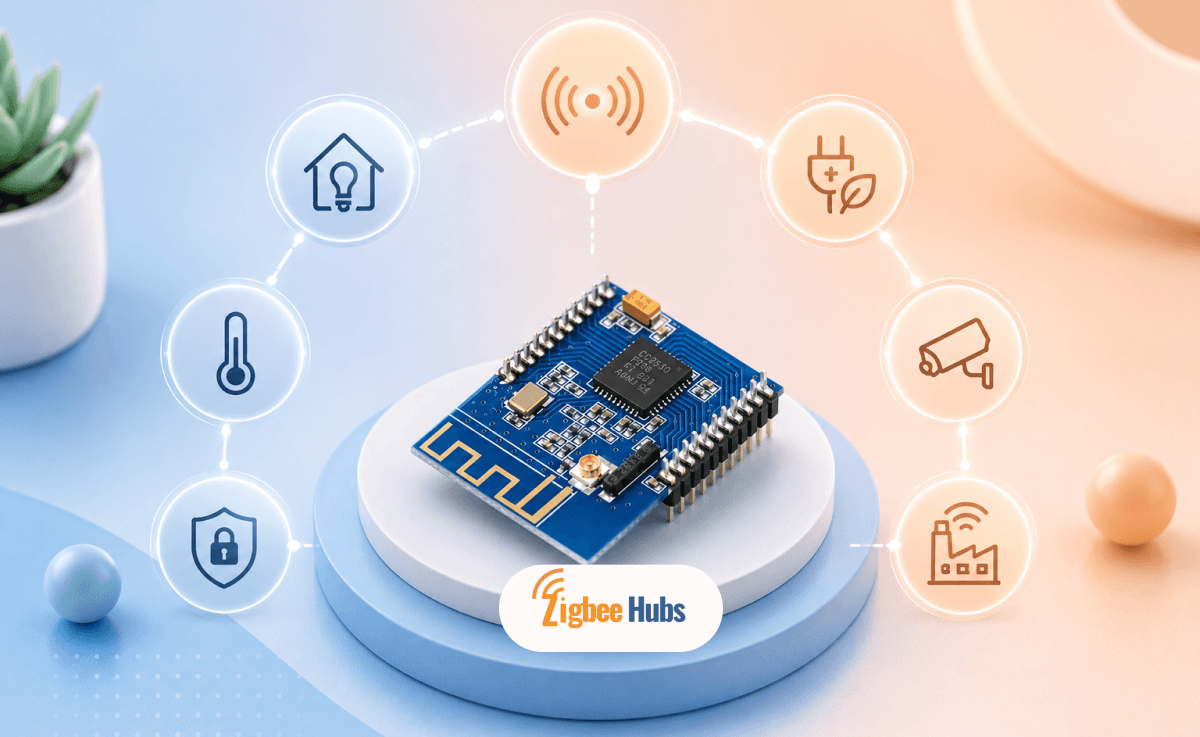
What Makes a Good Zigbee Chip?
When evaluating a Zigbee chip, I usually focus on several important factors.
Processing Power
Modern applications increasingly require:
- Better encryption
- OTA updates
- Local automation
- Edge computing
More powerful processors help future-proof devices.
Memory
Higher Flash and RAM allow:
- Larger firmware
- Better multitasking
- Advanced security
- Future protocol updates
RF Performance
Good radio performance improves:
- Signal stability
- Communication distance
- Network reliability
Security Features
Look for chips supporting:
- Secure boot
- Hardware encryption
- Random number generators
- Secure key storage
Development Ecosystem
A great chip should have:
- Documentation
- SDK support
- Community examples
- Active firmware updates
This can save countless hours during development.
Texas Instruments CC2530: Why is it Still Popular?
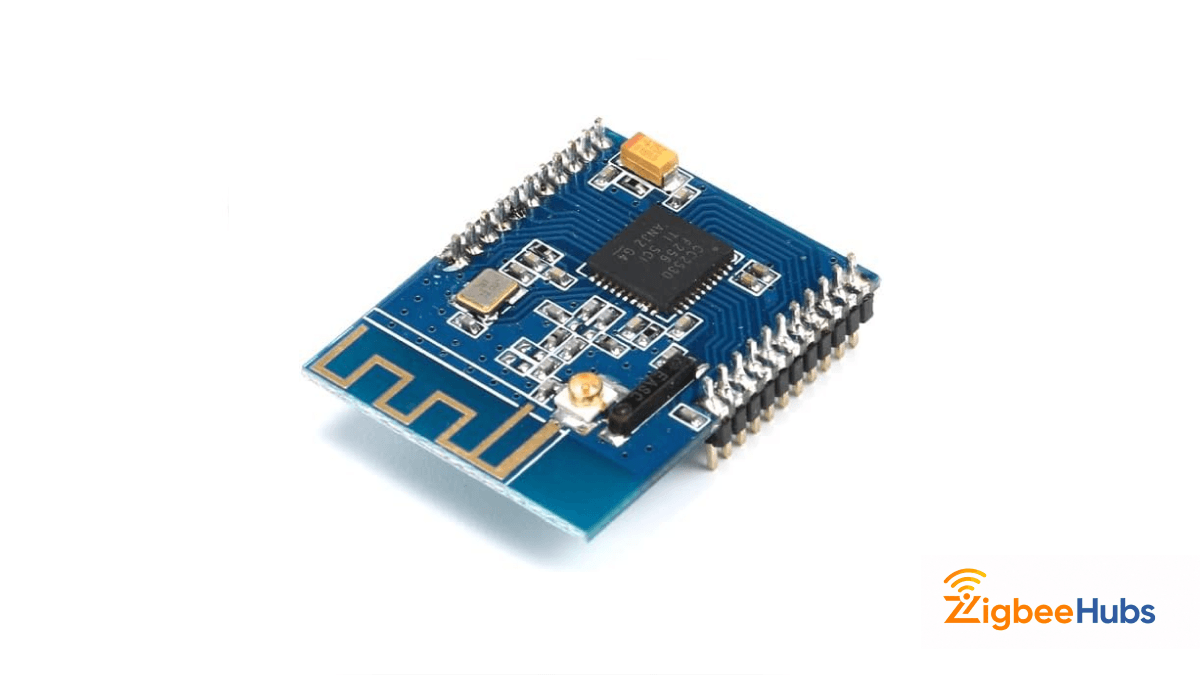
The Texas Instruments CC2530 remains one of the most recognized Zigbee chips ever produced.
Although newer platforms provide greater performance, the CC2530 continues to be widely used because of its affordability and enormous community support.
I have found CC2530-based modules particularly useful for learning Zigbee networking because there are thousands of tutorials, firmware examples, and community resources available.
It integrates:
- IEEE 802.15.4 radio
- 8051 MCU
- Flash memory
- Low-power operation
For educational projects and DIY smart home experiments, it remains an excellent starting point.
Key Features
- 2.4 GHz operation
- Integrated MCU
- Low power consumption
- Mesh networking support
- Extensive documentation
Pros
- Affordable
- Huge community support
- Stable platform
- Easy to find modules
- Excellent learning platform
Cons
- Older architecture
- Limited memory
- Less powerful than modern SoCs
- Better suited for simple applications
What is a CC2530 Debugger?
A CC2530 debugger is a hardware programming interface used to flash firmware and debug applications running on CC2530 chips.
Many developers refer to it as:
- CC debugger CC2530
- CC2530 CC debugger
- CC2530 debugger
The debugger allows direct communication with the chip for:
- Firmware installation
- Debugging
- Memory access
- Recovery
- Testing
Pro Tip
Always verify voltage compatibility before connecting a debugger. Incorrect wiring can permanently damage development boards.
Can You Build a CC2530 Temperature Sensor?
Absolutely.
One of the most common beginner projects is a CC2530 temperature sensor.
The chip can remain in sleep mode for long periods and wake only when measurements need to be transmitted, dramatically extending battery life.
Typical applications include:
- Home climate monitoring
- Greenhouses
- Warehouses
- Refrigeration
- Agriculture
Best Zigbee Chips in 2026
1. Silicon Labs EFR32MG24
The EFR32MG24 represents one of the most advanced Zigbee platforms currently available.
From my experience, it is an excellent choice for premium smart home products where performance and security matter more than minimizing hardware cost.
Key Features
- ARM Cortex-M33
- AI/ML accelerator
- Secure Vault technology
- Large Flash memory
- High RF performance
Pros
- Excellent security
- High processing power
- Future-ready
- Strong development tools
Cons
- More expensive
- Greater learning curve
Best for:
- Smart hubs
- Professional IoT
- Security devices
 Sarah Diyana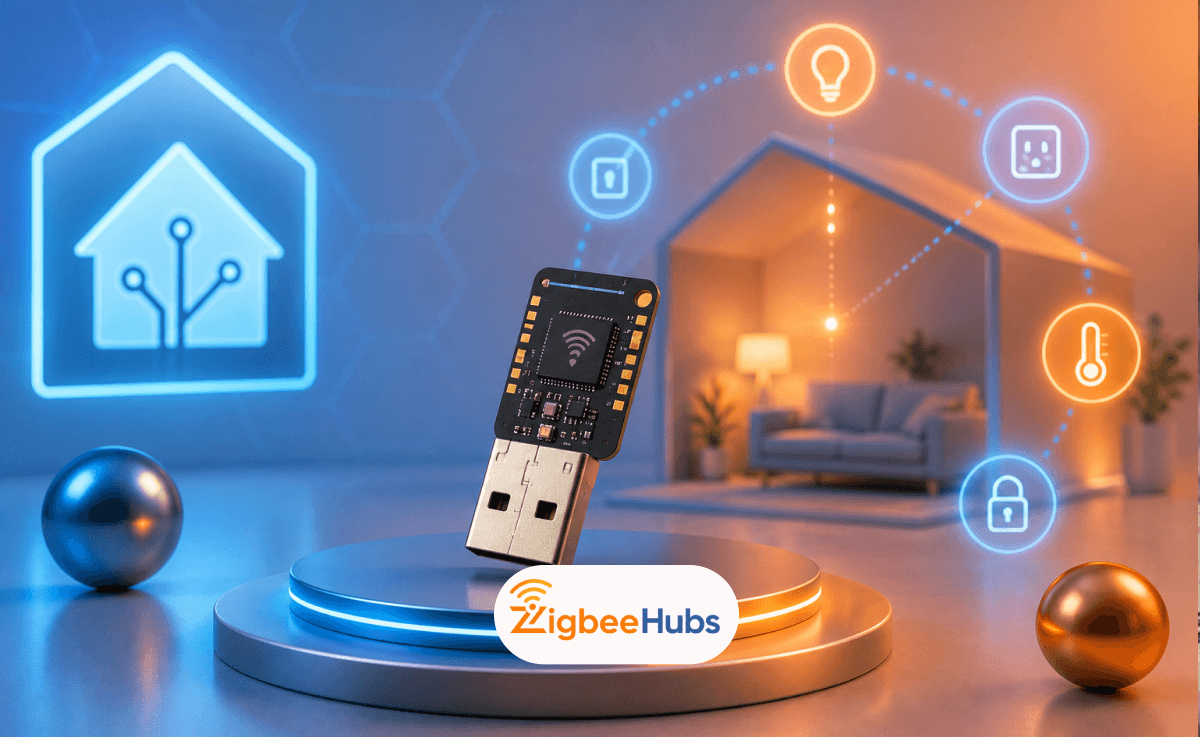
2. Texas Instruments CC2340 Series
Texas Instruments designed the CC2340 series for extremely low-power operation.
It is particularly attractive for battery-operated products that must function for years without maintenance.
Key Features
- Ultra-low standby current
- Modern architecture
- Zigbee Green Power support
- Efficient radio
Pros
- Outstanding battery life
- Reliable performance
- Modern platform
Cons
- Smaller ecosystem compared to CC2530
- Less beginner-oriented
Best for:
- Door sensors
- Alarm systems
- Battery-powered switches
 Sarah Diyana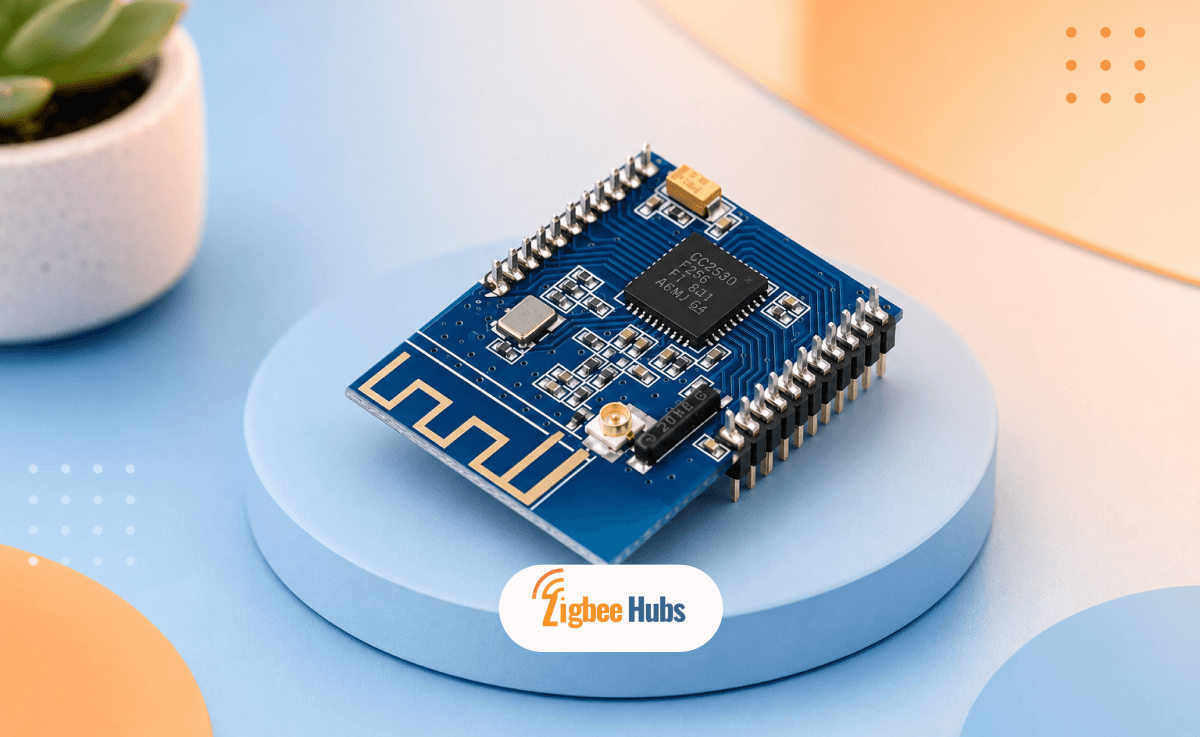
3. Microchip PIC32CX-BZ2
Microchip entered the Zigbee market with an impressive multiprotocol platform.
I particularly like its flexibility for commercial and industrial deployments requiring multiple wireless technologies.
Key Features
- Integrated Zigbee support
- Bluetooth LE support
- Thread support
- Advanced security
- Automotive qualification
Pros
- Multiprotocol capability
- Enterprise-grade security
- Industrial reliability
Cons
- More complex development
- Higher cost
Best for:
- Industrial automation
- Medical devices
- Commercial IoT
Recommended Products for Your Zigbee Ecosystem
ConBee II Universal Zigbee Gateway
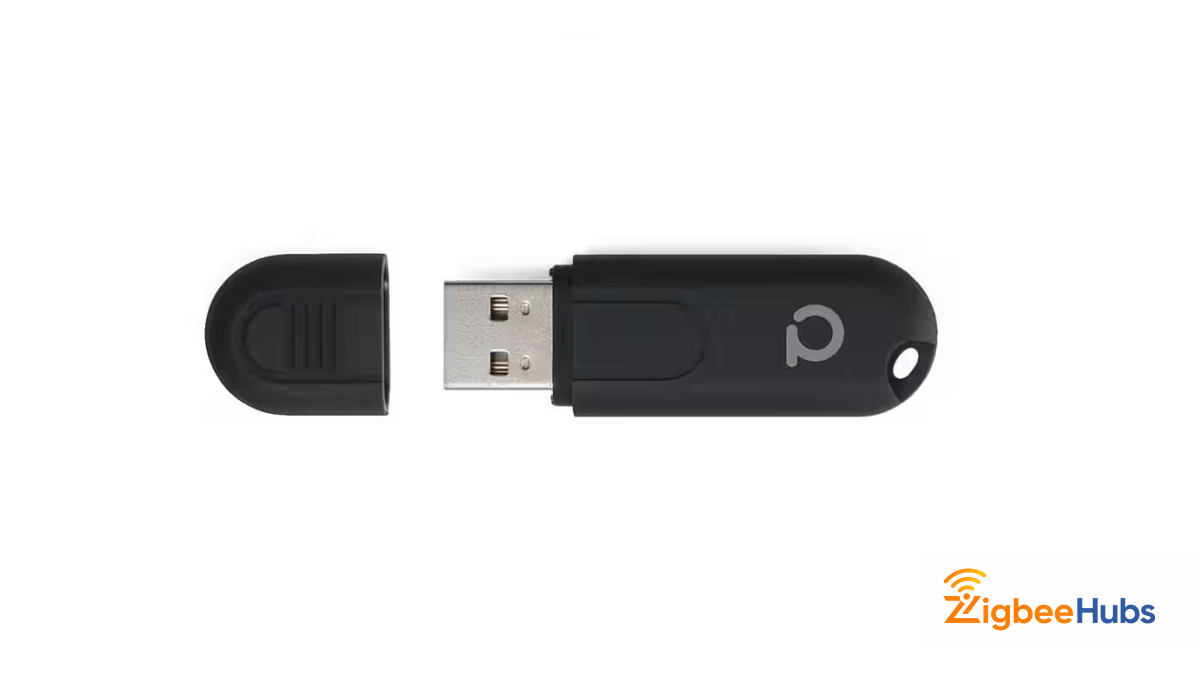
The ConBee II chip platform has earned an excellent reputation among Home Assistant and Zigbee enthusiasts.
I appreciate its stability and broad device compatibility, especially for users who want local control without depending on cloud services.
Key Features
- USB coordinator
- Excellent compatibility
- Local control
- Frequent firmware updates
Pros
- Reliable
- Large device database
- Strong community support
Cons
- Costs more than entry-level USB coordinators
CC2531 Zigbee2MQTT USB Stick
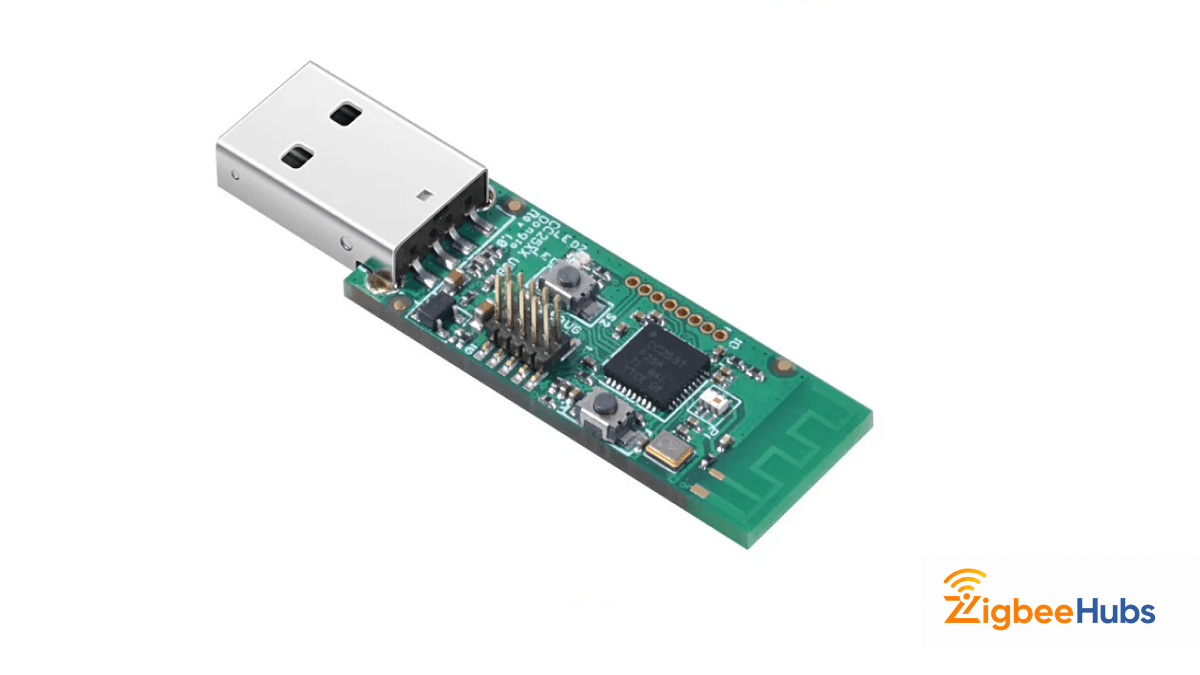
For budget-conscious users, this remains one of the easiest ways to build a Zigbee coordinator using Zigbee2MQTT.
Key Features
- USB interface
- Compact design
- Zigbee2MQTT compatible
- Home Assistant integration
Pros
- Very affordable
- Easy setup
- Popular among DIY users
Cons
- Limited range without antenna modifications
- Lower processing capability
 Sarah Diyana
Technical Comparison
| Feature | SiMG301 | EFR32MG26 | CC2340R5 |
|---|---|---|---|
| MCU | Cortex-M33 150MHz | Cortex-M33 78MHz | Cortex-M0+ |
| Flash | Up to 4MB | Up to 3MB | 512KB |
| RAM | Up to 512KB | Up to 512KB | 36KB |
| Security | PSA Level 4 | Secure Vault High | Secure Boot |
| Best Use | Multiprotocol | Premium Hubs | Battery Sensors |
Which Zigbee Chip Should You Choose?
Choose CC2530 if:
- You're learning Zigbee
- You need inexpensive hardware
- You want massive community support
Choose EFR32MG24 if:
- You need premium performance
- Security is important
- You are designing next-generation products
Choose CC2340 if:
- Battery life is the highest priority
- You are building sensors
- You need modern TI architecture
Choose PIC32CX-BZ2 if:
- You are building commercial products
- Multiprotocol support matters
- Industrial reliability is required
Conclusion
The Zigbee chip continues to power the modern smart home ecosystem. While the legendary Texas Instruments CC2530 still provides an outstanding platform for learning and affordable development, newer solutions from Silicon Labs, Texas Instruments, and Microchip deliver stronger security, better processing power, and longer battery life.
The best choice ultimately depends on your project requirements. For beginners, CC2530 remains a fantastic entry point. For professional IoT products, newer Cortex-M-based platforms provide a better long-term investment.