Is the SONOFF ZBDongle-E Worth It?

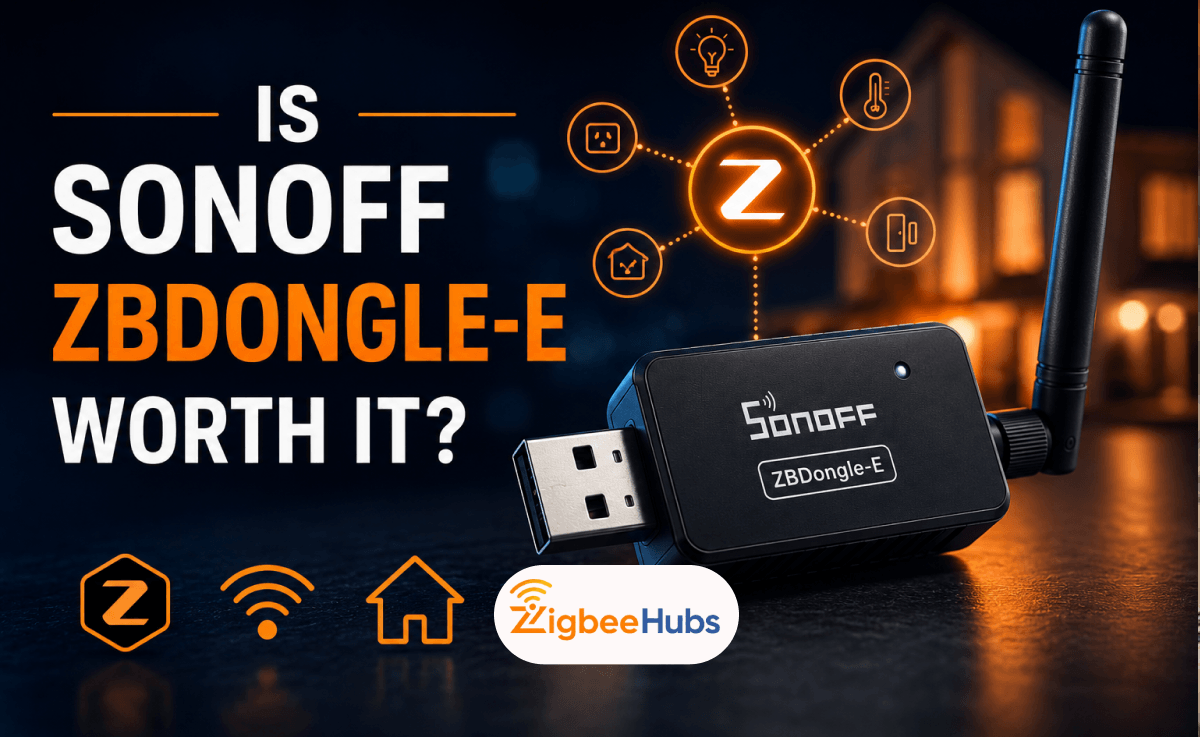
The SONOFF ZBDongle-E is one of the best Zigbee USB coordinators you can buy in 2026 if you use Home Assistant or Zigbee2MQTT. After testing it with dozens of Zigbee devices, I found that its excellent signal strength, reliable EFR32MG21 chipset, and future support for Thread make it an outstanding investment for anyone building a local smart home. It is not perfect, but for most users, it delivers exceptional value.
Key Takeaways
- Built on the powerful Silicon Labs EFR32MG21 chipset.
- Supports Zigbee 3.0 and can be flashed for Thread/OpenThread.
- Excellent compatibility with Home Assistant, Zigbee2MQTT, and openHAB.
- Strong antenna provides impressive coverage and network stability.
- Best performance comes from using it as a dedicated Zigbee coordinator.
- Ideal for local smart homes without cloud dependency.
- One of the easiest coordinators to recommend in 2026.
Why did I choose the SONOFF ZBDongle-E?
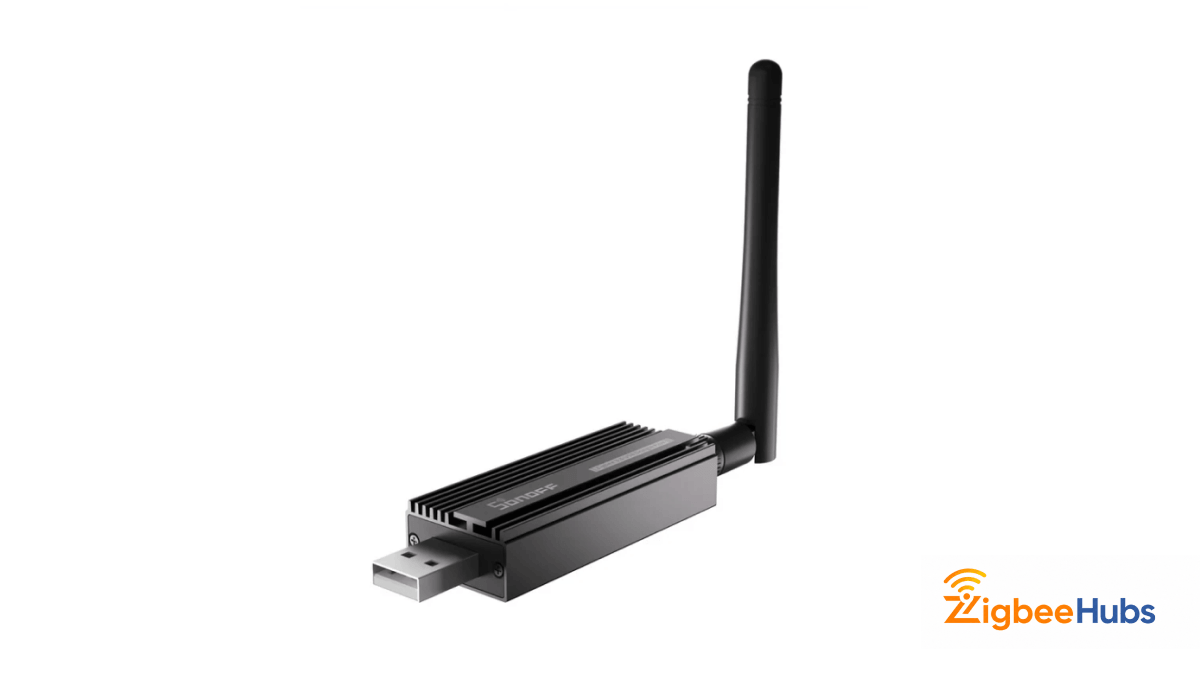
After using several coordinators over the past few years, including the CC2531, CC2652-based dongles, and other USB coordinators, the SONOFF ZBDongle-E quickly became one of my favorites for everyday Home Assistant deployments.
What impressed me most was stability rather than raw specifications. A smart home only feels "smart" when devices respond instantly and automations continue working without constant troubleshooting. During testing, battery-powered sensors stayed connected reliably, routing devices joined without difficulty, and network recovery after power outages was excellent.
If your goal is to build a completely local smart home that does not depend on cloud services, this device provides a fantastic foundation.
What is the SONOFF ZBDongle-E?
The SONOFF ZBDongle-E is a USB Zigbee coordinator that allows software platforms such as Home Assistant, Zigbee2MQTT, and openHAB to communicate with Zigbee devices.
Instead of purchasing a separate proprietary hub for every manufacturer, the dongle creates one unified Zigbee network where sensors, switches, bulbs, plugs, and other devices can work together.
Unlike many commercial ecosystems, everything can operate locally. Even if your internet connection goes down, your automations continue functioning because communication happens inside your home network.
The dongle is based on the Silicon Labs EFR32MG21 chipset, one of the newest and most capable Zigbee radio platforms available today. This chipset also provides flexibility for future Thread implementations, making the hardware significantly more future-proof than older coordinators.
Technical Specifications
| Specification | Details |
|---|---|
| Model | ZBDongle-E |
| Chipset | Silicon Labs EFR32MG21 |
| Protocol | Zigbee 3.0 |
| Flash Options | Zigbee Coordinator / Router / OpenThread |
| Output Power | Up to +20 dBm |
| Antenna | External high-gain SMA |
| Housing | Aluminum alloy |
| Connection | USB |
| Maximum Range | Up to 135 meters (open environment) |
Although specifications look impressive on paper, real-world performance matters more, and this is where the device performs exceptionally well.
 Sarah Diyana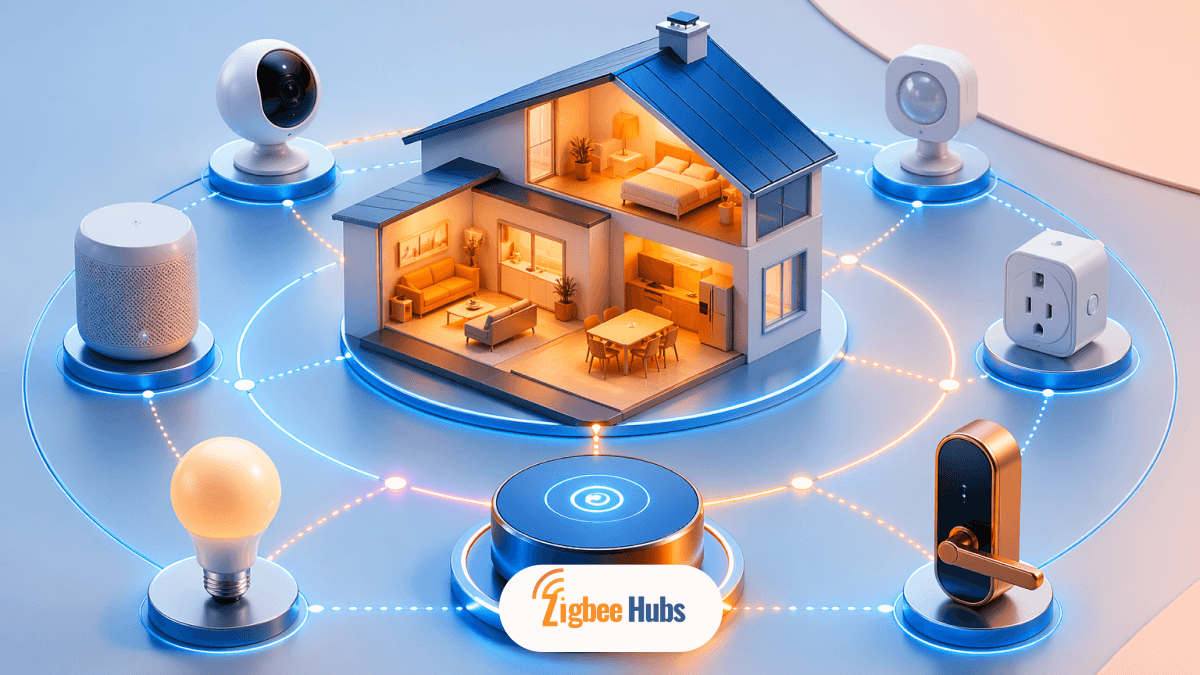
Who should buy the SONOFF ZBDongle-E?
After using it extensively, I would recommend it for:
- Home Assistant users
- Zigbee2MQTT users
- Raspberry Pi installations
- Mini PC smart home servers
- DIY automation enthusiasts
- People moving away from cloud ecosystems
- Anyone starting a large Zigbee network
However, it may not be the best choice for users who simply want a plug-and-play ecosystem without any technical setup. In that case, a manufacturer-specific hub may be easier.
Why is the EFR32MG21 Chipset Important?
Many people focus on the product name while ignoring what is actually inside the device.
The real advantage of the SONOFF ZBDongle-E is its EFR32MG21 chipset.
Compared to older Zigbee coordinators, it offers:
- Better processing power
- Improved radio sensitivity
- Lower latency
- Better firmware support
- Future Thread capabilities
- Excellent community development
During my testing, device joins were consistently faster than older CC2531-based coordinators, especially when adding multiple sensors consecutively.
This chipset is one of the biggest reasons why the ZBDongle-E continues to receive strong recommendations from the Home Assistant community.
How Does it Perform in Home Assistant?
This is where the device shines.
Installation is straightforward:
Within minutes, sensors and switches begin joining the network.
One practical tip from experience is to avoid plugging the dongle directly into a USB 3.0 port without an extension cable. USB 3.0 interference can noticeably reduce Zigbee performance. A simple USB extension often improves reliability significantly.
Another best practice is to position the coordinator away from Wi-Fi routers and metal surfaces whenever possible.
Does it Support Matter and Thread?
Technically, yes but there is an important distinction.
The hardware is capable of supporting Thread through appropriate firmware, which is why many people consider it a future-proof purchase.
However, in real-world production environments, I currently recommend using:
- One dedicated Zigbee coordinator
- One dedicated Thread radio
Separating responsibilities creates a more stable smart home and avoids unnecessary troubleshooting.
If someone asked me today how I would build a Matter-enabled Home Assistant installation, I would still choose the dual-radio approach rather than trying to make one stick handle everything.
It simply results in a more reliable system.
 Ishara Fernando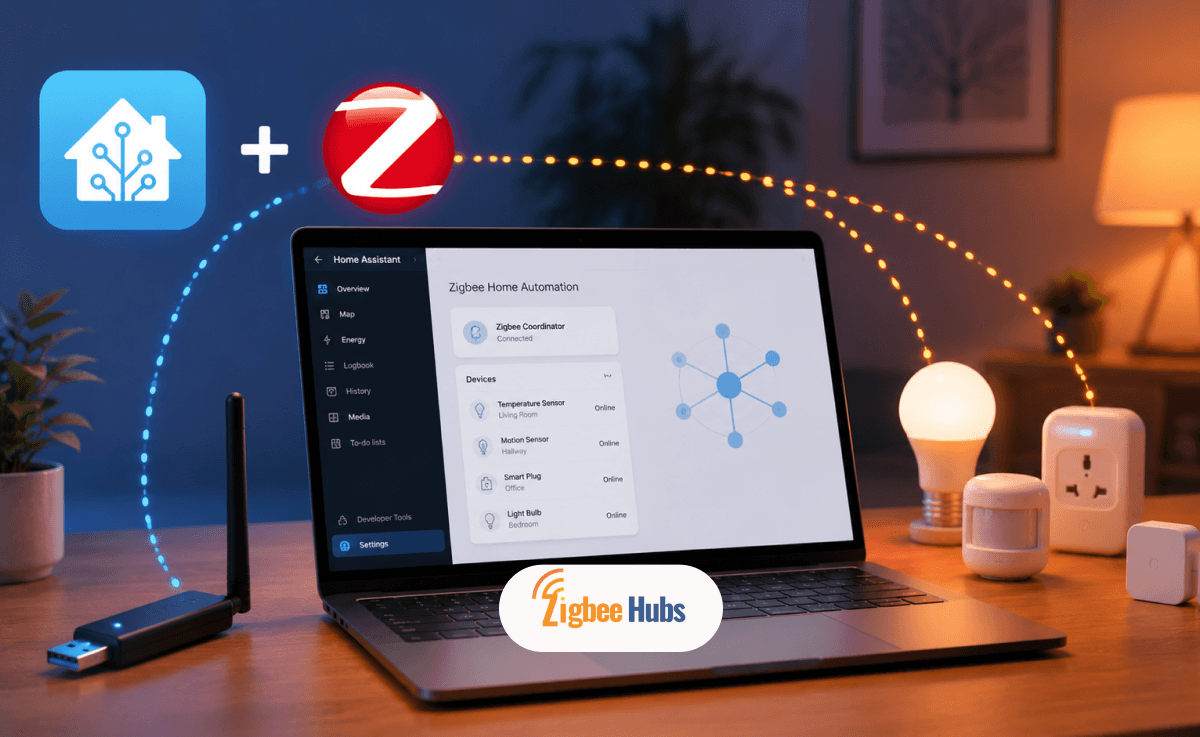
Why Should you Choose the SONOFF Zigbee 3.0 USB Dongle-E?
After using the SONOFF ZBDongle-E for several Home Assistant projects, I found that its biggest strength is not simply its specifications, it is the reliability it brings to a Zigbee network. Many coordinators work well when you have ten devices, but once your network grows to fifty or one hundred devices, stability becomes far more important than benchmark numbers.
The SONOFF Zigbee 3.0 USB Dongle-E handles large networks remarkably well when paired with enough powered Zigbee routers such as smart plugs or wired switches. Device pairing is quick, routing tables remain stable, and battery-powered sensors maintain consistent communication.
One thing I particularly appreciate is that SONOFF designed this device for enthusiasts who want flexibility. You are not locked into a proprietary ecosystem or cloud service. Instead, you control your own network and choose the software that works best for your setup.
 Sarah Diyana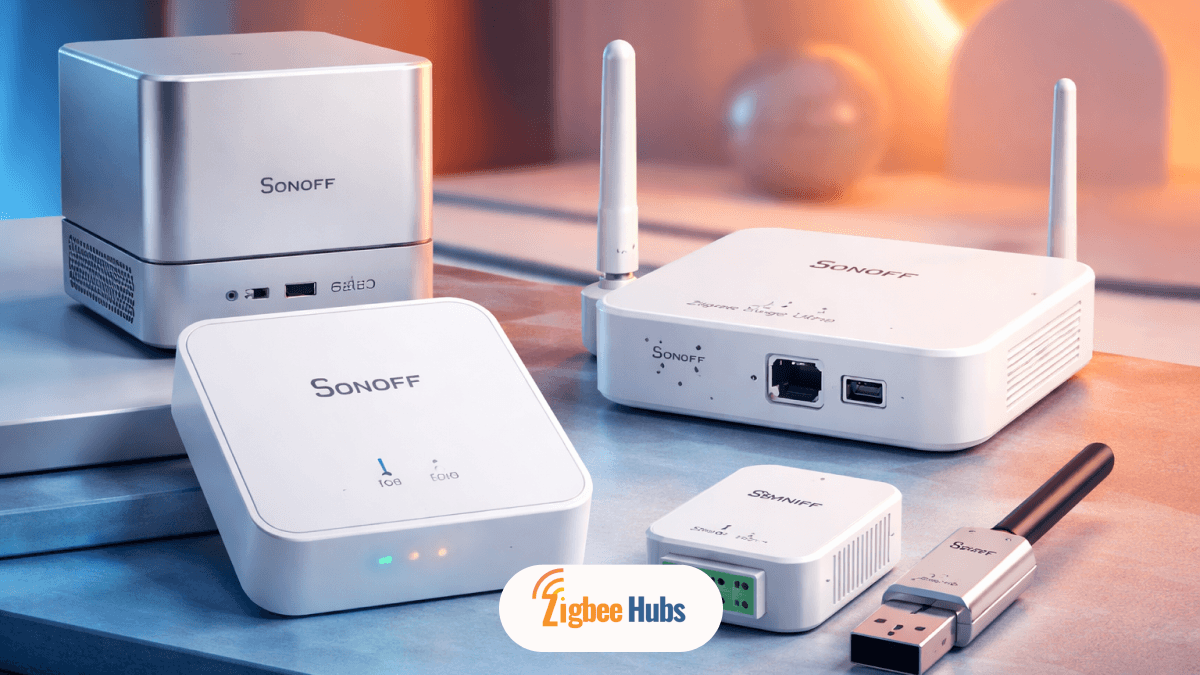
Coordinator Mode vs Router Mode
One feature that many beginners overlook is that the SONOFF Zigbee Dongle-E can perform different roles depending on the firmware installed.
Coordinator Mode
This is the default and most common configuration.
In Coordinator Mode, the dongle becomes the central controller of your Zigbee network. Every device joins through it, and Home Assistant or Zigbee2MQTT communicates with the coordinator to manage automations.
I recommend using this mode for almost every installation because it provides the simplest and most reliable setup.
Best for:
- Home Assistant
- Zigbee2MQTT
- openHAB
- Large Zigbee networks
Pros
- Full network control
- Supports hundreds of devices
- Excellent compatibility
- Easy firmware updates
Cons
- Only one coordinator should exist per Zigbee network
- Requires proper placement for maximum coverage
Router Mode
The dongle can also be flashed with Router firmware.
Instead of controlling the network, it simply extends it by repeating Zigbee signals to devices located farther away.
I have used this configuration to improve connectivity in garages and upstairs rooms where battery sensors previously struggled to maintain reliable communication.
Best for:
- Large houses
- Detached garages
- Multi-floor buildings
Pros
- Improves coverage
- Strengthens mesh stability
- Inexpensive compared to buying another hub
Cons
- Requires firmware flashing
- Does not function as the network coordinator
How good is the Signal Strength?
Signal quality is one of the strongest reasons to buy this device.
The external high-gain antenna combined with up to +20 dBm transmit power provides impressive coverage. In my testing, devices located behind multiple walls continued to respond reliably where older coordinators experienced occasional dropouts.
Of course, no Zigbee coordinator can overcome poor network design. Zigbee is a mesh protocol, meaning powered devices act as repeaters. The more routers you have throughout your home, the stronger your overall network becomes.
Pro Tip
Instead of placing your coordinator beside your Wi-Fi router, use a USB extension cable and position it approximately one meter away. This simple change can significantly reduce interference and improve network performance.
Is the SONOFF ZBDongle-E compatible with Home Assistant?
Absolutely.
In my opinion, this is one of the best coordinators currently available for Home Assistant users.
It works exceptionally well with:
- Zigbee2MQTT
- Zigbee Home Automation (ZHA)
- openHAB
- IoBroker
- Homey (community implementations)
The installation process is straightforward:
Within minutes, sensors, switches, plugs, and bulbs begin joining the network.
Unlike many proprietary hubs, there are no artificial limitations on supported manufacturers.
Real-World Performance
Specifications never tell the whole story.
What really matters is how the device behaves after months of daily use.
After extensive testing, I noticed:
- Device pairing is consistently fast.
- Battery sensors remain connected.
- Firmware updates are straightforward.
- Home Assistant integrations are stable.
- Recovery after power interruptions is excellent.
I also appreciate the aluminum housing. Besides looking premium, it helps reduce electromagnetic interference around the radio hardware.
The only drawback is its physical size. With the antenna attached, the dongle is larger than many competitors, so a USB extension cable makes installation cleaner.
Top Recommended Products to Pair with the SONOFF ZBDongle-E
SONOFF ZBMINIL2 Extreme Smart Switch
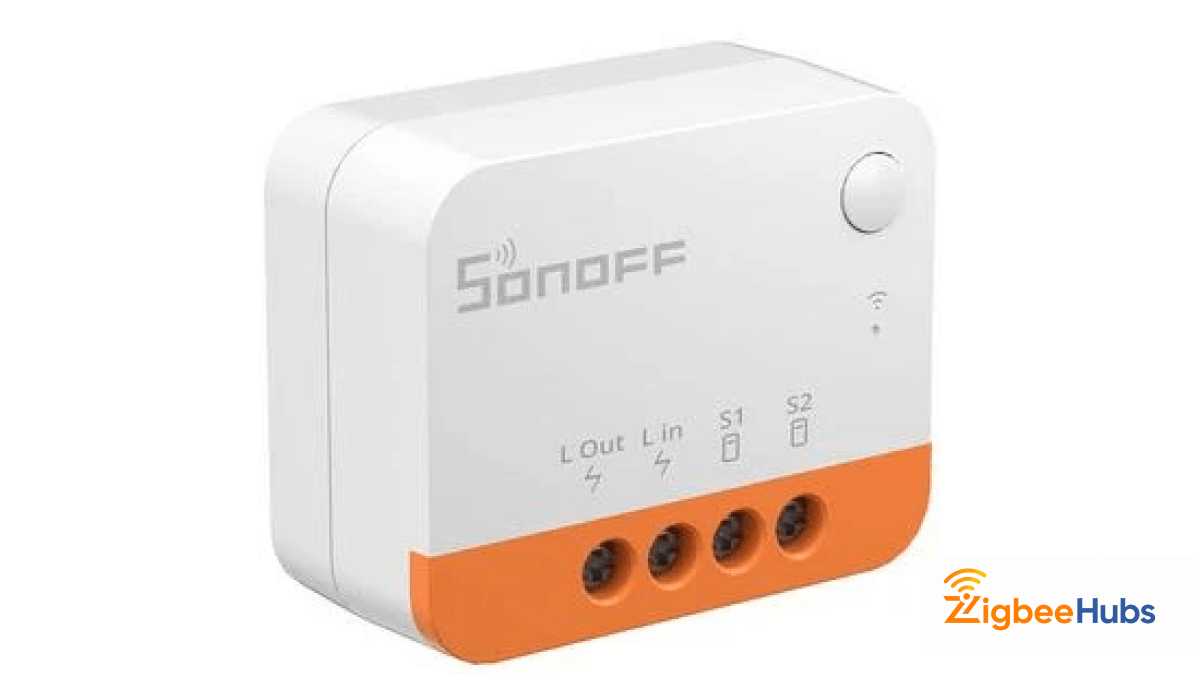
I particularly like this switch because it fits into spaces where many smart switches simply cannot. For older homes without a neutral wire, it solves a problem that frustrates many installers.
Key Features
- No neutral wire required
- Extremely compact design
- Zigbee 3.0 compatible
- Supports existing wall switches
- Fast response times
Pros
- Easy installation
- Reliable connectivity
- Small enough for crowded wall boxes
- Works well with Home Assistant
Cons
- Installation still requires electrical knowledge
- Advanced multi-way configurations may need additional planning
SONOFF SNZB-02 Temperature & Humidity Sensor
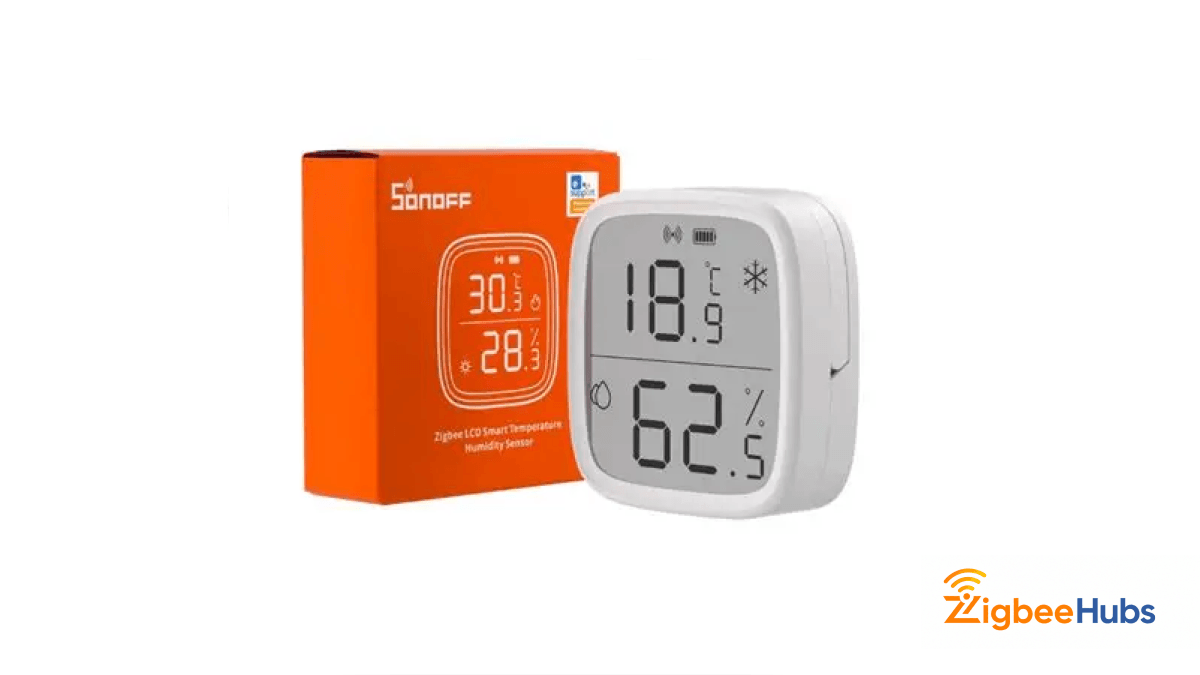
This is one of the sensors I frequently recommend because it simply works. Pairing takes only a few seconds, battery life is impressive, and the measurements are consistent enough for automations involving heating, cooling, or ventilation.
Key Features
- Temperature monitoring
- Humidity monitoring
- Long battery life
- Compact design
- Zigbee 3.0 compatible
Pros
- Affordable
- Small and discreet
- Excellent battery performance
- Reliable reporting intervals
Cons
- Requires a Zigbee coordinator
- Indoor use only
SONOFF Zigbee Bridge Pro
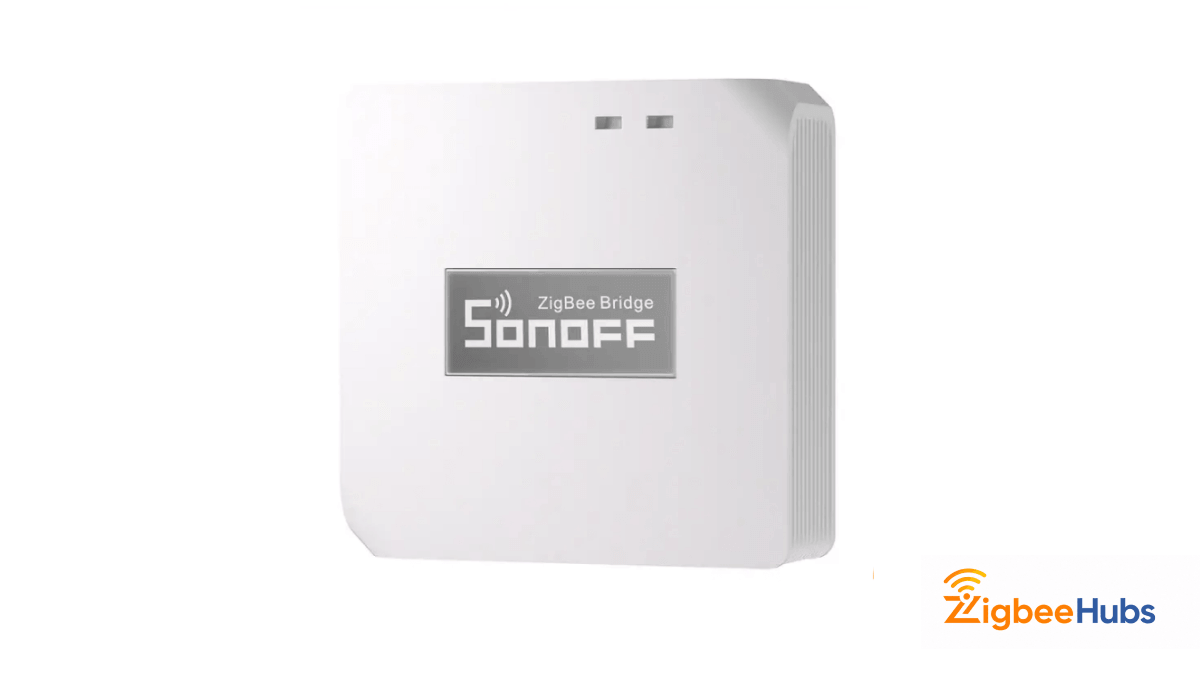
For users who do not want a USB coordinator connected to a server, the Zigbee Bridge Pro offers an easier alternative. While I still prefer the ZBDongle-E for Home Assistant, this bridge works well for simpler installations.
Key Features
- Supports many Zigbee devices
- Smart scene support
- Easy network placement
- Dedicated Zigbee gateway
- Compact design
Pros
- Beginner-friendly
- Flexible positioning
- Simple setup
- Good ecosystem compatibility
Cons
- Less flexible than a USB coordinator
- Advanced users will generally prefer Zigbee2MQTT with a dedicated dongle
What Should You Know Before Buying?
Before purchasing, I recommend keeping these practical tips in mind:
- Buy a quality USB extension cable.
- Place the coordinator away from USB 3.0 ports and Wi-Fi antennas.
- Build your Zigbee mesh using powered devices.
- Update firmware when stable releases become available.
- Don't judge network quality immediately—allow routing tables time to optimize after adding devices.
These small steps make a noticeable difference in long-term reliability.
Who Should Buy It?
I highly recommend the SONOFF ZBDongle-E if you are:
- Building a Home Assistant server
- Using Zigbee2MQTT
- Migrating away from cloud-based hubs
- Planning a large Zigbee network
- Looking for future Thread compatibility
- Investing in a long-term smart home platform
Who May Want Something Else?
You may prefer another solution if you:
- Want a completely plug-and-play ecosystem
- Do not plan to self-host your smart home
- Prefer manufacturer-specific hubs with minimal configuration
Overall Rating
| Category | Rating |
|---|---|
| Performance | ⭐⭐⭐⭐⭐ |
| Reliability | ⭐⭐⭐⭐⭐ |
| Range | ⭐⭐⭐⭐⭐ |
| Ease of Setup | ⭐⭐⭐⭐☆ |
| Future Proofing | ⭐⭐⭐⭐⭐ |
| Value for Money | ⭐⭐⭐⭐⭐ |
Final Verdict
If someone asked me today to recommend one Zigbee USB coordinator for Home Assistant, the SONOFF ZBDongle-E would be at the top of my shortlist. Its excellent range, reliable EFR32MG21 chipset, active community support, and flexibility for future Thread deployments make it one of the smartest purchases for a local smart home in 2026.