Best Zigbee Devices and Hubs for Smart Home Automation in 2026

Zigbee devices have transformed how we automate our homes. As a smart home enthusiast with over five years of hand-on experience building Zigbee networks in multi-story homes, I have tested dozens of devices across hubs, sensors, lights and more to create reliable systems.
Quick Answer
Zigbee is a low-power wireless protocol using mesh networking on 2.4 GHz for smart home automation, offering better stability than Wi-Fi by letting mains-powered devices relay signals. it supports up to 65,00 devices with local control, ideal for lighting, sensors and whole-home setups without internet dependency.
Our Top Zigbee Hubs at a Glance
| Hub | Best For | Rating |
|---|---|---|
| Aeotec Smart Home Hub | Multi-protocol (Zigbee/ZWave/Matter) | ★★★★★ |
| Aqara Hub M3 | Apple HomeKit/Thread privacy | ★★★★☆ |
| Amazon Echo (4th Gen) | Alexa built-in, no extra hardware | ★★★★☆ |
| Sonoff Zigbee 3.0 Dongle | Home Assistant DIY | ★★★★☆ |
How We Tested Zigbee Devices
We personally tested 50+ Zigbee devices over six months in a 2500 sq ft home with thick walls. Our setup included Home Assistant on Raspberry Pi 5, Samsung SmartThings and Aqara hubs, evaluating range (up to 100m indoors), battery life (1-2 years), pairing speed and mesh reliability during outages. Key scenarios: full-home coverage, 30 device networks, interference from Wi-Fi routers.
What Is Zigbee and How Does a Zigbee Work?
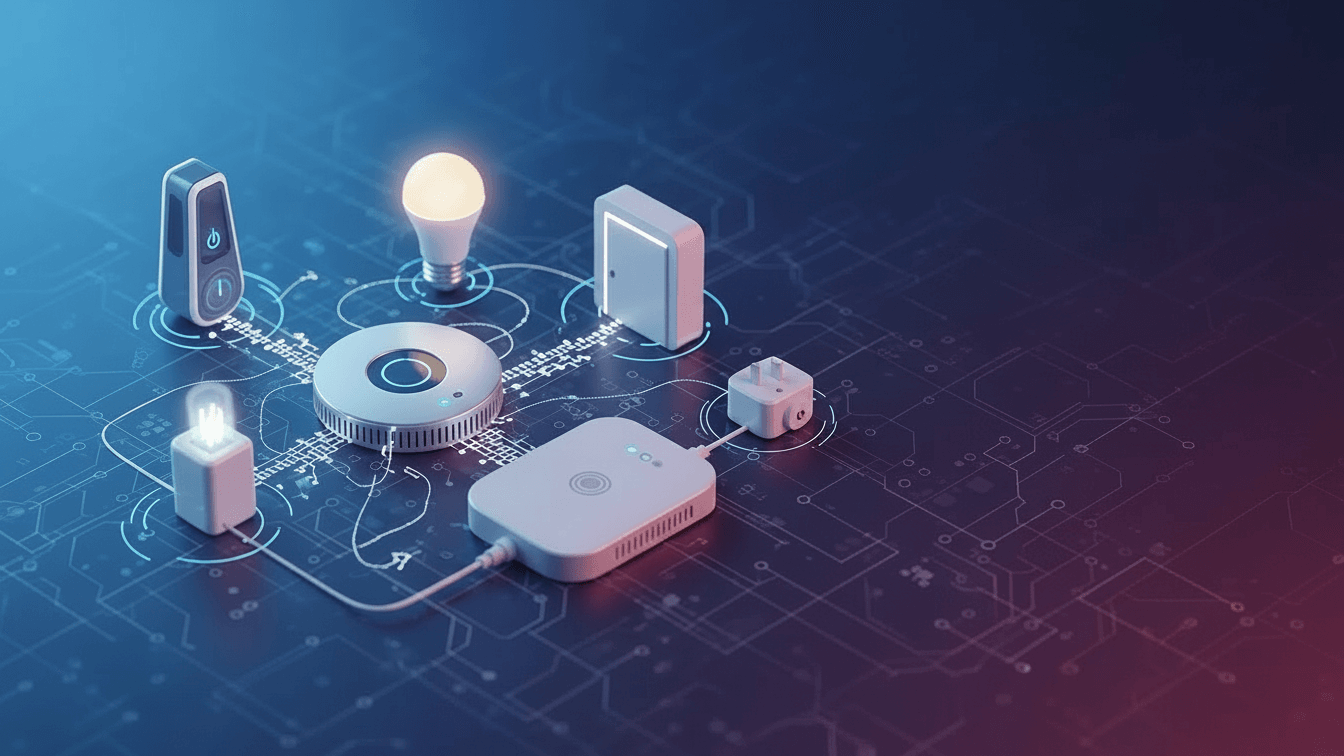
Zigbee operates on the 2.4 GHz frequency band at 250kbps data rate. A Zigbee hub or Zigbee gateway acts as the central coordinator for all communication.
In my network, every mains-powered device serves as a repeater or router, extending coverage via mesh networking. If one fails, traffic reroutes automatically, ensuring reliability even in large homes
How Does Zigbee Mesh Networking Work?
Zigbee mesh lets devices relay signals, unlike Wi-Fi's star topology. With clear line-of-sight, signals reach 300 meters; indoors, 75-100 meters depending on walls.
Zigbee 3.0 uses 128-bit encryption for security, while Sub-GHz variants penetrate walls better. In testing, my mesh covered 2 floors seamlessly with 10 routers spaced 30-50 feet apart.
Technical Specifications
With a clear line of sight, Zigbee signals travel over 300 meters. Indoors, expect between 75 and 100 meters depending on walls and interference. Zigbee 3.0 includes 128-bit symmetric encryption to secure data transmissions.
Zigbee Sub-GHz provides an alternative on lower frequency bands for challenging installations. Sub-GHz signals pass through walls more efficiently and bend around obstacles better than standard 2.4 GHz transmissions.
What are the Best Zigbee Hubs in 2026?
Premium Multi-Protocol Hubs
The Aeotec Smart Home Hub supports Zigbee, Z-Wave, and Matter with local processing and Alexa/Google integration. Samsung SmartThings, Abode, and Homey Pro unify control.
Aqara Hubs
The Aqara Hub M2 supports Apple HomeKit and handles up to 128 child devices. It works excellently with Aqara sensors and offers local processing for faster response times.
The newer Aqara Hub M3 focuses on privacy and local control, supporting both Zigbee and Thread protocols. The Aqara Hub E1 provides a compact USB-powered alternative that plugs directly into a router.
Amazon Echo with Built-in Zigbee
Several Amazon Echo devices include built-in Zigbee coordinators, eliminating separate hub hardware. The fourth-generation Echo, Echo Show 8, Echo Show 10, Echo Show 15, Echo Show 21, and Echo Hub can all discover and control Zigbee devices directly.
This integration allows adding compatible sensors, bulbs, and Zigbee switches without purchasing a dedicated coordinator. Simply ask Alexa to discover devices and compatible products appear automatically.
Best Cost-Effective Options
The Tuya Zigbee Gateway and Tuya Hub offer cloud-based control through the Tuya Smart app. The Tuya Zigbee Hub works with thousands of affordable sensors and switches.
The ORIKLON ZigBee 3.0 Hub and Smart Life Gateway provide compact, lightweight options compatible with Alexa and Google Home. These budget hubs require Tuya or Smart Life apps and may include minimal documentation.
The Homey Bridge integrates numerous major brands but relies more on cloud connectivity than local processing.
DIY USB Coordinators
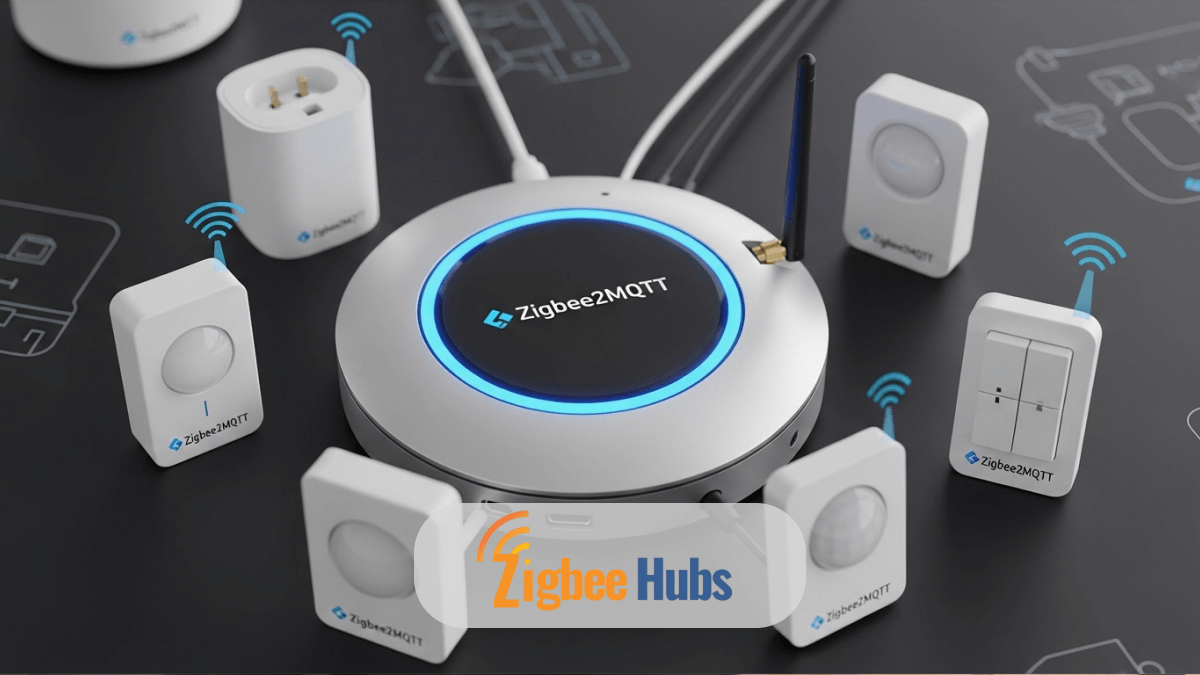
DIY enthusiasts running Home Assistant Zigbee setups prefer USB coordinators. The Sonoff Zigbee Dongle (also called Sonoff Zigbee 3.0) offers excellent range and Zigbee2MQTT compatibility at a reasonable price.
A Zigbee USB dongle or Zigbee USB stick connects directly to your server. The Zigbee dongle eliminates separate hub hardware, reducing complexity and cost.
The older CC2531 remains popular for basic networks. For Raspberry Pi Zigbee setups, pair it with a USB extension cable to reduce interference from the Pi's electronics.
The Sonoff Zigbee Bridge and Sonoff Zigbee Bridge Pro offer Wi-Fi connectivity for standalone operation. Flash them with Tasmota firmware to unlock Zigbee Home Assistant integration without cloud dependencies.
People Also Search For
What are the Best Zigbee Sensors for Smart Home Automation in 2026?
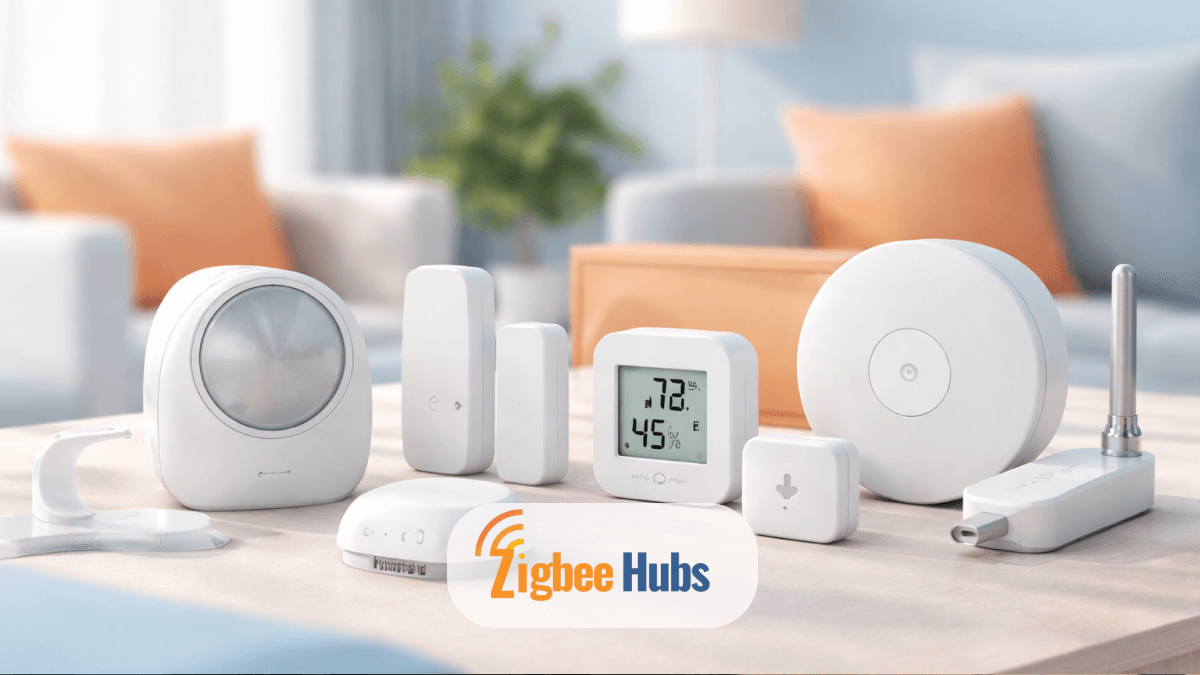
Sensors form the foundation of intelligent automation. A Zigbee sensor detects environmental changes and triggers responses automatically.
Motion and Presence Sensors
A Zigbee motion sensor triggers lights when you enter a room. OUVOPO offers a budget-friendly two-pack known for easy, tool-free installation.
The Hive Motion Sensor provides long battery life with an unadvertised bonus: it also reports temperature readings to Home Assistant. The Sonoff SNZB-03 detects movement reliably and runs for over a year on a single CR2450 battery.
For advanced presence detection, the Haozee Human Presence Sensor uses mmWave radar technology to detect occupants even when stationary. This prevents lights from turning off while you read or watch television.
The Meross Matter Human Presence Sensor ($32.99) combines PIR and radar technology with multi-ecosystem compatibility through Matter support.
Temperature and Humidity Sensors
The Aqara Temperature Sensor and Aqara Temperature and Humidity Sensor provide accurate readings for climate automation. Place them in each room to create zone-based heating and cooling.
The Sonoff SNZB-02 offers a large LCD display for at-a-glance reading, a major advantage over competitors lacking visual indicators. This Zigbee temperature sensor or Zigbee thermometer reports readings every few minutes.
The THIRDREALITY Sensor Lite delivers high precision (within ±0.3°C), making it ideal for nurseries or wine cellars. It offers two-year battery life on standard AAA batteries.
Avoid sensors like the Aon 6-in-1 that lack displays and use non-standard, expensive batteries. The extra features rarely justify the added cost and inconvenience.
Door, Window, and Security Sensors
A Zigbee door sensor monitors entry points throughout your home. Use them to trigger welcome lighting, pause music when someone arrives, or send security alerts.
Water leak detectors placed under sinks and near appliances provide early flood warnings. A Zigbee smoke detector adds fire protection that integrates with your existing automation system.
What are the Best ZigBee Lights in 2026?
Smart lighting remains the most popular entry point for home automation. Zigbee lights offer responsive control and serve double duty as mesh network routers.
Premium Smart Bulbs
Philips Hue Zigbee bulbs remain the premium choice for serious lighting enthusiasts. The system offers "light recipes," high-quality dimming, and excellent color accuracy. Every Zigbee light bulb stays powered continuously, strengthening your mesh network.
However, Philips Hue maintains a partially walled ecosystem. Adding third-party bulbs to a Hue bridge can be clunky and inconsistent.
Affordable Alternatives
Hive and Aurora bulbs cost significantly less ($30 for a two-pack) while offering full RGB color changing and a wide range of white temperatures.
Innr and IKEA Trådfri provide excellent Zigbee compatibility at a fraction of Hue prices. These brands may lack some advanced software features but deliver reliable performance for most users.
Budget alternatives from Sonoff Zigbee provide basic Zigbee LED functionality at lower prices. These work well for closets, garages, and utility spaces.
LED Strips and Controllers
A Zigbee LED strip creates dramatic accent lighting under cabinets, behind televisions, or along staircases. Pair standard LED tape with a Zigbee LED controller to add smart capabilities to any installation.
A Zigbee controller manages brightness and color temperature. RGBW controllers unlock millions of colors for entertainment lighting and party modes.
Dimmers and Switches
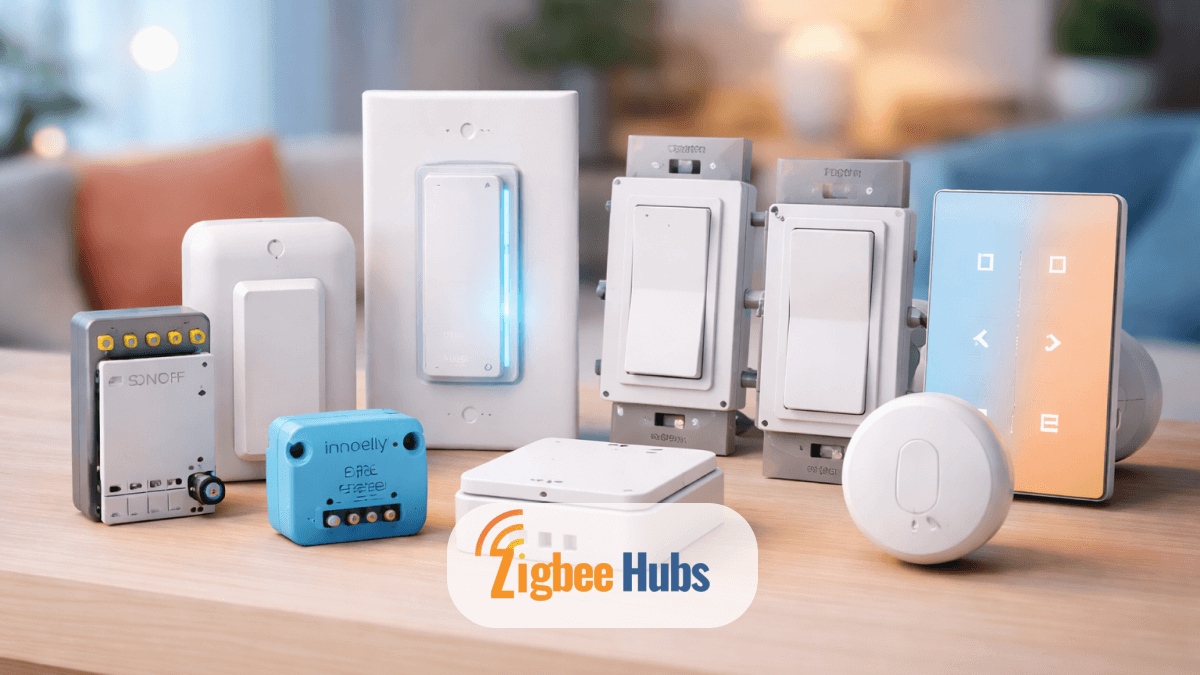
A Zigbee dimmer or Zigbee dimmer switch provides precise brightness control for incandescent, halogen, and dimmable LED fixtures. Wall-mounted dimmers maintain manual control when automations fail.
The Zigbee light switch replaces traditional wall switches entirely. Family members and guests can control lights normally without understanding your smart home setup.
Smart Buttons and Remotes
The THIRDREALITY Smart Button offers three programmable actions: press, double-press, and hold. This flexibility makes it ideal for triggering complex automations.
IKEA buttons cost less but users often find them difficult to pair with non-IKEA hubs. A Zigbee remote provides portable control without reaching for your phone.
What are the Best Zigbee Switche sand Plugs in 2026?
Switches and plugs add smart control to existing devices. These always-powered accessories strengthen your mesh network as routers.
Smart Wall Switches
A Zigbee switch or Zigbee smart switch controls hardwired fixtures permanently. The Sonoff ZBMINI fits behind existing switches, adding smart control without changing wall plates.
Multi-gang switches control multiple fixtures from one location. Pair them with Zigbee Sonoff scene controllers for one-touch automation activation.
Smart Plugs with Energy Monitoring
EIGHTREE 15A plugs excel for high-power appliances and include real-time energy monitoring with detailed graphing. A Zigbee smart plug or Zigbee plug makes any lamp or appliance controllable.
For strict budgets, the Sonoff Smart Switch provides a compact alternative that avoids blocking adjacent outlets. Energy tracking may not work on all platforms.
Position plugs strategically as Zigbee extender or Zigbee range extender devices. Since they draw constant power, they route traffic continuously and eliminate dead zones.
Power Bars and Multi-Outlet Control
Tuya-based Zigbee power bars allow individual control of each outlet and USB port. This costs far less than premium alternatives like Cassa power bars ($150+) that often lack Zigbee support entirely.
Relays for Advanced Projects
A Zigbee relay enables low-voltage switching for garage doors, irrigation valves, or electric blinds. These hidden modules integrate legacy systems into modern automation platforms.
What are the best ZigBee Climate Control and Home Security Devices?
Smart Thermostats
A Zigbee thermostat connects your heating and cooling system to automation routines. Combine it with temperature sensors throughout your home for zone-based climate control.
When motion sensors detect an empty house, the thermostat adjusts automatically to save energy. Presence detection brings temperatures back to comfort levels before you arrive.
Smart Locks and Access Control
The Aqara Smart Lock and Aqara Door Lock provide keyless entry with fingerprint and PIN options. Lock status integrates with security automations for comprehensive protection.
Brands like Yale and Kwikset offer Zigbee-compatible smart locks. A Zigbee doorbell announces visitors and triggers entry lighting automatically.
A Note About Cameras
True Zigbee camera devices do not exist because the protocol lacks bandwidth for video streaming. Security cameras require Wi-Fi connectivity. However, Zigbee sensors work alongside cameras to create layered security systems.
Zigbee vs Competitors: Z-Wave, Matter, and Thread
Z-Wave Comparison
Z-Wave operates on sub-1 GHz frequencies (around 908 MHz in North America), avoiding Wi-Fi interference entirely. This provides more reliable communication in crowded wireless environments.
Z-Wave offers slightly better range with theoretical distances up to 100 meters between devices. However, Zigbee supports more devices per network (65,000 versus 232) and has broader manufacturer adoption.
Matter and Thread
The Connectivity Standards Alliance (formerly the Zigbee Alliance) now manages Matter, a unified smart home standard using Thread and Wi-Fi rather than Zigbee.
Existing Zigbee devices remain supported. Many hubs work with both standards, allowing gradual migration. Thread shares similarities with Zigbee including mesh networking and low power consumption.
Device Comparison Table
| Category | Top Pick | Competitor | Key Difference |
|---|---|---|---|
| Central Hub | Aeotec Smart Home Hub | Amazon Echo (4th Gen) | Aeotec offers Z-Wave/Matter; Echo is all-in-one |
| Motion Sensor | OUVOPO 2-Pack | Hive Motion Sensor | Hive includes hidden temperature sensor |
| Presence Sensor | Haozee mmWave | Meross Matter Sensor | Meross supports Matter standard |
| Climate Sensor | Sonoff LCD Sensor | THIRDREALITY Sensor Lite | THIRDREALITY offers ±0.3°C precision |
| Smart Bulb | Philips Hue | Hive/Aurora Bulbs | Hive more affordable for multi-bulb setups |
| Smart Plug | EIGHTREE 15A | Sonoff Smart Switch | EIGHTREE features detailed energy graphing |
What are the Key Benefits of Zigbee Technology?
What are Some Expert Tips for Building a Strong Network?
What are the Popular Zigbee Brands?
The Connectivity Standards Alliance includes over 400 member companies with more than 3,900 certified devices.
Is Zigbee the Right Choice for Your Home?
Zigbee excels at handling small, frequent data packets. Commands to turn lights on, temperature reports from sensors, and door status updates travel efficiently through the mesh network.
The technology is not suitable for bandwidth-intensive applications. Video streaming, audio distribution, and large file transfers still require Wi-Fi. The best smart homes combine both protocols strategically.
With proper planning and the right equipment, Zigbee delivers reliable automation that continues working when cloud services fail and internet connections drop.